Showing posts with label age and weight. Show all posts

Thursday, January 7, 2016

Are You Getting Enough Vitamin D?

Am I getting enough Vitamin D?

  • By Emer Delaney - Dietitian
  • Are your ‘sunshine vitamin’ levels low? Discover why you need vitamin D, how to get more and what to do if you're concerned about your levels...
    Am I getting enough Vitamin D?

    Why do we need Vitamin D?

    Vitamin D is made in our skin via direct exposure to sunlight. Our liver and kidneys then convert it into a form we can use. Vitamin D is extremely important for strong bones and teeth, as it helps us absorb the calcium we eat and it also controls the amount of calcium in our blood.  It’s really important that our vitamin D levels aren’t low or our body won’t absorb the calcium we eat.  
    There aren't any visual signs of vitamin D deficiency. If our levels are very low and we are severely deficient, we are at risk of developing weaker bones which is a condition known as osteomalacia. Severe deficiency in children may result in soft skull or leg bones and their legs may look curved or bow-legged, which is a condition called rickets.  As low levels are common in the UK, it's worth getting tested if you're concerned. Ask your GP for a blood test.

    Vitamin D levels explained
    Vitamin D blood rangesClassification
    Under 25nmol/LDeficient
    25 - 50nmol/LInsufficient
    50-75nmol/LSufficient
    Over 75nmol/LOptimal

    How much sun do we need? 

    During the summer months, approximately 20-30 minutes of direct sunlight two to three times a week should be enough for a fair skinned person to make the vitamin D they need.  For the elderly and darker skinned people, exposure time or frequency needs to be increased two to tenfold to get the same level of vitamin D synthesis as fair skinned individuals. 
    A word of caution though, too much sun exposure can be damaging due to the risk of developing skin cancer. Only spend a small amount of time in the sun without sunscreen either early in the morning or late in the afternoon and the rest of the time be sure to cover up and avoid any chance of sunburn. 

    Amount of sun required to compensate for 49 days of no exposure
    Skin typeMinutes of July sun required
    Fair10 - 12 mins
    Asian30 mins
    African/ Afro-Caribbean120 mins

    What affects our Vitamin D levels?

    Several different factors can affect our vitamin D levels such as skin pigmentation, age, season, clothing and use of high factor sunscreens. As elderly people have thinner skin they are unable to make as much of the vitamin as younger people. Also, the position of the UK means that 90% of it lies above the latitude that permits exposure to the sun rays necessary for vitamin D synthesis. The southern part of the country is marginally better positioned for vitamin D synthesis (the closer you are to the equator the better). All of these factors will have an effect on our levels.
    Approximately 60–70% of the UK adult population have insufficient levels of vitamin D in winter and spring and 16% are considered deficient. At the moment, there are no recommendations for daily intake. Whilst UK recommendations have not been set for the general population, some groups are at higher risk for developing deficiencies.  These include:
    • Pregnant and breastfeeding women
    • People who have darker skin, such as those of South Asian, African or Afro-Caribbean descent
    • Men and women who are over 65 years of age
    • Babies and children aged six months to five years 
    • Adults who stay out of the sun or cover up when outside 

     Vitamin D in our diet

    Sardines with chickpeas, lemon & parsleyFoods that naturally contain vitamin D include oily fish such as mackerelsardinestinned salmonherring and kippers.  Some foods are fortified with small amounts of vitamin D, including breakfast cereals, infant formula and margarine. There are smaller amounts found in eggs and some red meats, such as duckgoosepheasant and venison however, the exact amount is unknown. Breast milk also contains vitamin D and mums should make sure they aren’t deficient as this will affect the levels in their milk.  

    Vitamin D-rich foods
    Food per portionVitamin D content
    Kipper (140g)35µg
    Herring (140g)31.5µg
    Mackerel (140g)24.5µg
    Tinned salmon (140g)17.5µg
    Sardines (140g)10.5µg
    Duck eggs (2)3.75µg
    Hen eggs (2)2.5µg


Monday, January 4, 2016

Hormone Imbalance?

7 Signs You Have A Hormone Imbalance

Feeling off lately? It might be that the change you’re noticing is due to a hormone imbalance. No matter how much you may remember from your biology class, now that you’re focusing on your health and well-being, it may be time to re-learn about what your hormones are actually doing for you.
Whether you’re male or female, estrogen, progesterone, testosterone, cortisol, insulin, serotonin, thyroid and other hormones that you’ve never heard of are coursing through your body right now. When all of these work together as they should, our bodies function well.
Although women are more often accused of “being hormonal,” men also experience hormone changes that can affect their physical appearance and behavior. Women go through menopause, men go through andropause, and all of us are going through hormonal changes as we age.
When your hormones are imbalanced, your health and well-being can suffer as a result. Here are 7 signs of a hormone imbalance to talk with your medical provider about.

7 SIGNS OF A HORMONE IMBALANCE

1. TROUBLE SLEEPING

If you’ve noticed that your sleep patterns have changed, especially if you sleep less than before, you may be experiencing a hormone imbalance. For women this could mean low progesterone and for men this could mean lower testosterone. Women may experience less sleep when they feel uncomfortable from hot flashes or night sweats that are associated with menopause.
Getting less sleep than usual as a result of hormonal changes is more common over the age of fifty. Women can use a progesterone cream and men can use nutritional supplements to increase these hormone levels.

2. LIBIDO CHANGES

A reduction in your desire for sexual intimacy usually means a decrease in hormone levels for both men and women. For men, this is due to lower testosterone; for women, lower estrogen levels than normal. Women who are experiencing menopause also may see a decrease in their desire to have sex due to vaginal dryness or pain during intercourse as a 
result of lower estrogen.
The good news for women is that orgasm was shown to increase estrogen levels according to a study by the University of Michigan. Women can also make dietary changes to increase estrogen or get a prescription from their doctors. Men can increase the amount of muscle building exercise to improve their testosterone levels.
Women also experience breast changes or pain as well as period changes or pain. These uncomfortable symptoms are also associated with hormone changes. Feeling pain associated with these hormonal changes can certainly have an impact on your sex life.

3. MEMORY PROBLEMS

Having trouble remembering where you left your car keys? Lower estrogen might be to blame. Foggy thinking can also be caused by low cortisol levels. Chronic stress can leave the adrenal glands unable to continue to produce cortisol. Stress produces cortisol, which in small doses is healthy for you but chronically high cortisol can deplete your adrenal glands later in life.

4. DIGESTIVE PROBLEMS

Irritable bowel syndrome (IBS) can be due to lower levels of serotonin. Women sometimes see IBS symptoms increase close to their periods as a result of changes in estrogen and progesterone.
Gastrointestinal discomfort can also come from low cortisol levels. Cortisol is naturally high in the morning to help you wake up but again, depleted adrenal glands can leave your cortisol lower than usual.

5. APPETITE CHANGES

Changes in your sleep habits may have an unpleasant result with regard to your weight. If you are getting less sleep than usual, your levels of the hormone ghrelin are higher than normal. Ghrelin makes you hungrier than usual while leptin and oxyntomodulin, suppress your hunger.
In one study of volunteers who were sleep deprived, their ghrelin hormone levels were extremely high so they felt hungry. Being chronically tired may result in your tendency to gain weight just as a result of your increased hunger sensation.

6. MOOD SWINGS

If you’ve been on an emotional rollercoaster lately, it could be the result of hormonal changes leading up to menopause. Excess estrogen can be a cause of mood swings, whereas anxiety can be due to lower progesterone and depression could be due to lower estrogen levels.

7. WEIGHT CHANGES

Lower progesterone levels and an excess of estrogen can lead to an unexplained weight gain in women while men can see weight gain as a result of excess estrogen. Weight loss for men can be a result of testosterone deficiency.
Balancing hormones may require diet and lifestyle changes or it may require the intervention of a medical professional. Some herbs have been known to help enhance hormone production as well. In Chinese traditional medicine, for example, horny goat weed or yin yang huo extract have been used to increase libido in both men and women.
You can have a saliva test done to check your hormone levels. Your physician can determine your hormone levels and consult with you about how to make adjustments to restore your hormonal balance.

Sunday, January 3, 2016

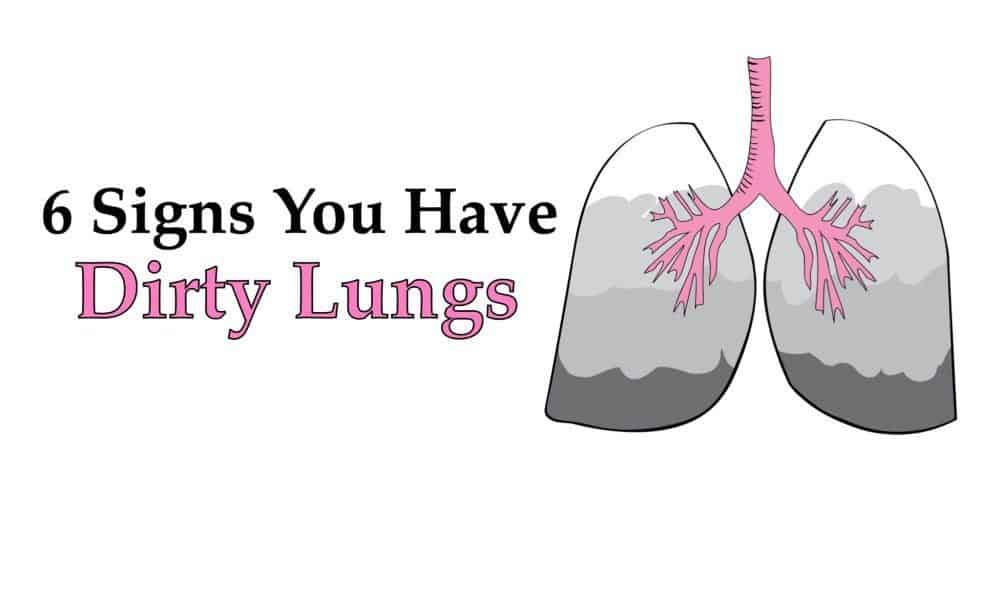
Signs That You Have Dirty Lungs

6 Signs You Have Dirty Lungs

by PP

What do we know about our lungs? “Well, isn’t that where we store air to breathe… in order to, uh, stay alive and all?”
Yes, the lungs do indeed perform that vital function, but they’re actually quite magnificent organs when explored. So, before we get into what harms these vital organs, let’s take a closer look at what they entail.
Our lungs are sponge-like in texture and serve as the refining organ in the consumption and breakdown of oxygen. When we inhale air through our nose or mouth, the air travels down into the larynx and through the trachea. This air then reaches our left and right bronchi, which transports the air to the lung. The air then moves to the alveoli – microscopic sacs that absorb oxygen from the air – via the bronchioles. The alveoli then transfer the oxygen into our bloodstream. Finally, the carbon dioxide waste taken in from the air is transferred back from the blood to the alveoli, where it is then exhaled.
Okay, so biology lesson over. It’s not as simple as just breathing in and out, apparently. It’s actually quite remarkable that such a complex process is performed in the matter of just a couple of seconds. Unfortunately, any miscue in this complex process usually results in either chronic or acute lung damage.
If someone suffers from a lung condition, it’s usually a result of damage to the alveoli (the lung’s air sacs) or the bronchi (large airways of the lung). Three of the most common ailments of the lungs – bronchitis, asthma and emphysema – are a result of an abnormality involving the bronchi or alveoli.
Smoking is so damaging because it stunts normal lung function. Chronic obstructive pulmonary disease, or COPD, most commonly occurs in those that smoke. This damage to the lungs creates difficulty in breathing out, resulting in shortness of breath. Emphysema (a type of COPD) is usually the result of smoking; as tobacco smoke damages the alveoli, trapping air in the lungs and making it difficult to breathe normally.
While smoking is certainly a cause of damage to the lungs in many cases, it’s not the only factor – infections and genetics also plays a role. As mentioned, the lungs are only a part of what is a complex system, and damage to any part of this system can result in severe lung problems.
The positive news (finally!) is that the lungs can be repaired. Obviously, the extent to which the lungs can heal depends upon the circumstances. But there are certain actions that we can take to aid this healing process.

LET’S DISCUSS SIX COMMON SIGNS OF DIRTY LUNGS FIRST:

SIGN #1: CHRONIC COUGH

When a cough lasts for over a month, it is considered chronic in nature. In all likelihood, medication has been tried and as failed. This should be taken as a sign that something is wrong with the respiratory system.

SIGN #2: PERSISTENT MUCUS PRODUCTION

When our airways are irritated or infected, they will produce mucus (or phlegm) as a defense. If this incessant mucus production lasts longer than a month, it may be a warning sign of lung problems.

SIGN #3: LASTING CHEST PAIN

Chest pain that inexplicably last for longer than a month may be a warning sign. It’s a sign that the lungs are involved if the chest pain is brought on, or made worse, from inhaling, exhaling or coughing.

SIGN #4: SHORTNESS OF BREATH

When shortness of breath occurs, it is usually due to a heart of lung condition. This symptom can be narrowed down to either/or, since both are involved in the transport of oxygen to tissues and the removal of carbon dioxide. When either one of these problems occurs, it results in shortness of breath.

SIGN #5: COUGHING BLOOD

When coughing up blood occurs, it’s always a problem with either the lungs or the upper respiratory tract. Needless to say, this is something that requires immediate attention; as it may signal a severe health problem.

SIGN #6: WHEEZING

Wheezing is a high-pitched whistling sound that usually occurs when breathing out (exhaling), but may occur when breathing in. This is usually a sign that a foreign object is blocking the normal flow of air into the lungs or constricting the lung’s airways.

NOW THAT WE KNOW WHAT TO LOOK FOR, HERE ARE 6 WAYS TO HELP PURIFY YOUR LUNGS.

1. DON’T SMOKE

If it isn’t apparent by now, smoking is probably the worst thing someone can do to their lungs. Hopefully, an education on what this harmful habit does to the lungs is enough to get someone to quit; if not, seek out some people for support. There are plenty of terrific, free resources available online that could help. There’s even a smoking hotline.

2. BREATHE DEEP

Deep breathing for half an hour a day can help purify the lungs. This practice flushes out many of the impurities that accumulate in the lungs. Meditation and yoga are two great practices to take on for this purpose, and they will help with the mental aspect of purification as well.

3. DRINK GREEN TEA

Catechins are antioxidants that may help reduce the risk of lung cancer, and green tea is a rich source. In a study done at Chung Shan Medical University in Taiwan, researchers discovered that drinking green tea could reduce the risk of lung cancer by up to five times. Dr. I-Hsin Lin states: “The antioxidants may inhibit tumor growth,” and “Green tea can protect them from lunch cancer risk, a cup or more a day (is recommended” according to the lead researcher.

4. LOAD UP ON ANTIOXIDANTS

Ingesting antioxidants appeared to be a recurring theme in researching for this article. Another source states that drinking 400 ml of pineapple or cranberry juice before bed helps to fight infection-causing bacteria in the lungs.

5. USE THE EUCALYPTUS

Eucalyptus contains a natural expectorant (decongestant) compound that helps clear our lungs of toxins. Apparently, the plant is terrific in helping to soothe a sore throat and sinus problems. A great way to achieve this effect is by putting 5 to 10 drops of eucalyptus oil in a bowl of hot water, placing the head over the bowl and covering the head with a towel. That certainly sounds refreshing!

6. GET SOME OREGANO

Another natural decongestant is oregano, which also contains anti-histamine properties. Combined, these elements are effective in clearing out nasal pathways and assisting the respiratory function. To get these terrific benefits, simply sprinkle some oregano into some food or drink on a daily basis

Thursday, December 17, 2015

Eating Mindfully

How to eat mindfully

  • By Nancy Siragusa
  • Mindfulness is no longer a mystical concept. Numerous books, websites and dedicated apps promote the practice as a potential antidote to many modern-day ailments. Nutritionist and mindfulness expert, Nancy Siragusa tells us how we can all eat more mindfully, and how it can help our health...
    How to eat mindfully
    Mindful eating is all about paying attention to the way we eat. Research has shown eating mindfully improves digestion, regulates our appetite and helps us enjoy our food much more. It’s even dubbed the antidote to dieting, as tuning into what we eat can be enough to help us make better choices and avoid overeating. 

    What is mindfulness?

    Mindfulness
    Mindfulness is the practise of present moment awareness based on ancient wisdom like Buddhism. In recent years,meditation experts such as Jon Kabat-Zin, and Andy Puddicombe of Headspace, have helped the world see that it’s not just a spiritual practise, it is grounded in science and is relevant and helpful to all of us.
    Practising mindful eating simply means being present when we eat - paying attention to it and being aware of it. As a mindfulness teacher and registered nutritionist, this is my favourite thing to teach clients. It’s a powerful and easy way to learn how to be mindful, as it’s fun, helps us eat well and is easy to practise as we already eat several times a day! Just tune in and enjoy.

    How to do it

    Here’s how to practise eating mindfully at each stage of the process, and the benefits you can expect.
    Start by practising one step on one snack for a few days, then try the next one. Eventually you can combine all five steps on a whole meal, and experience being fully mindful whilst you eat.
    They say it takes 21 days to form a habit so keep at it and it’ll come more naturally. Ultimately, it will give you a sense of understanding, appreciation and respect for food that will make it an easy habit to continue.
    Step 1: When hunger strikes
    Step 1When you are hungry, become aware of your body and notice a couple of breaths. What is your body telling you? Spend a couple of moments noticing the sensations that give you that message. No need to change them, just become aware of them and explore the feeling.
    Benefits: When you listen, your body will tell you if it is actually hungry and what it’s hungry for. Learning to accept and therefore tolerate hunger stops us from knee-jerk eating food that we don’t really need. 
     
    Step 2: Choosing what to eat
    Step 1 - hungry
    Look or think about the choices, becoming aware of what’s on offer. Notice all the factors at play – the different foods, what they’re made of, how they are prepared, how they smell, the cost. Notice the choice is yours, and what thoughts or feelings arise from each option, without trying to change them.
    Benefits: To stop and notice the foods on offer opens our eyes to the choices we make. It allows us to make informed choices that nourish us – whether that’s by making a wholesome choice or one that’s indulgent!
     
    Step 3: Preparing your food
    Step 3 - prepTake the time to be mindful as you prepare to eat. It might be as you are peeling back the paper as you walk along, sitting at your desk lifting the lid, or beginning to peel, chop and fry. It doesn’t matter where you are or what you’re eating – just notice the textures, sounds, smells and what everything looks like as your food is in front of you.
    Benefits: We eat with our eyes too, and paying attention to the food you're preparing stimulates and focuses your body, ready for eating. It helps the body to prepare for what it’s about to do, so you’ll find your digestion and appetite signals working much more efficiently. If your mouth waters – you know you’re on track!
    Step 4: Eating
    Step-4-eating
    Arguably, the most fun bit. Start by having a good look at what you’re about to eat. Take note of the textures, shapesand colours, then, notice any smells and sounds. When you take a bite, notice the temperature, the texture and all the different tastes. Be aware of how the food feels on your fork or in your hand, then how it feels in your mouth. Notice your mouth chewing away, and your breathing as you go.
    Benefits: Being mindful when we are eating food allows the body to respond properly to what it’s doing. If you eat whilst worrying about your next meeting, the body is in stress mode and digestion is compromised. Eating mindfully also allows for the proper signals to be sent to the brain when we’re full, preventing us overeating. 
    Step 5 – After you’ve finished
    Finished eating
    When you’ve finished eating (or are having a break), become aware of your body. Again, noticing the breath is a helpful way to engage with yourself. Notice the feelings of fullness, or emptiness, any movement in your body or any tastes that linger.
    Benefits: Becoming aware of feelings after we’ve eaten allows the body to return to a resting state, which aids digestion. Much of our appetite comes from how full we’re accustomed to feeling, so bringing our attention to this can help interrupt habitual overeating.

Tuesday, December 15, 2015

Vitamins for You

Vital vitamins

  • By Jo Lewin - Associate nutritionist - Don't turn to a pot of pills for a health boost - nutritionist Jo Lewin divulges what different vitamins do and how to get all you need naturally.

    Vitamin ACarrots

    Vitamin A is essential for growth and cell development, vision and immune function, healthy skin and hair. It protects against infections and is a powerful antioxidant, so helps prevent disease.
    How can I get it?
    Two or three raw carrots would provide you with your recommended daily allowance (RDA). Other good sources include, animal products such as liver, oily fish, eggs, milk, cheese, butter, broccoli, dark green leafy vegetables, sweet red peppers, pumpkins, mangoes, cantaloupe melons and apricots.

    sunshineVitamin D

    Known as the sunshine vitamin, vitamin D is essential for healthy bones and is thought to possibly slow the progression of osteoporosis. It is also believed to strengthen the immune system and help prevent some cancers. It helps muscle function and works with vitamins A and C in the immune system.
    How can I get it?
    Vitamin D is manufactured mainly by the skin when it's exposed to sunlight. You should be able to get your recommended amounts by spending 15-30 minutes outside in the sun each day. Half a small can of sardines should also supply the RDA. Other good sources include herrings, salmon, tuna, dairy produce and eggs.


    Vitamin EBaked eggs with spinach & tomato

    Vitamin E is an antioxidant needed for healthy skin, a good strong immune system and a healthy heart.
    How can I get it?
    A small packet of almonds or peanuts and two teaspoons of sunflower oil would provide the RDA. It is found in all vegetable oils such as sunflower and nut oils, margarine, tuna, salmon, avocadoes, broccoli, almonds, sunflower seeds, eggs, soya and wholegrains, which include oats, rye and brown rice.

    YogurtVitamin K

    Vitamin K is great for building and maintaining healthy, strong bones and essential for helping blood to clot properly.
    How can I get it?
    Vitamin K can be found in yogurt, egg yolks, fish oils, dairy produce and green leafy vegetables.


    Vitamin B1Quinoa

    Also known as thiamine, vitamin B1 is needed for energy production, carbohydrate digestion, a healthy nervous system and heart function.
    How can I get it?
    It is found in wholegrain foods such as cereals and bread, oats, rye millet, quinoa, legumes, pork and liver.

    The health benefits of nutsVitamin B3

    Also called niacin, vitamin B3 is good for hormone synthesis, such as insulin the hormone that regulates blood sugar levels in the body and also for thyroxine, serotonin and other mood and brain hormones. It is used in the prevention and treatment of depression, arthritis and circulatory disorders.
    How can I get it?
    Vitamin B3 is found in foods that are high in protein, such as chicken, beef, fish and nuts. Breads and cereals are often also enriched with niacin.


    Vitamin B5Ingredient focus... spinach

    Vitamin B5, or pantothenic acid, is needed for conversion of fats and carbohydrates into energy and also for supporting the adrenal glands, which regulate the stress response in the body.
    How can I get it?
    The best sources of B5 are fish, poultry, wholegrains, rye, barley, millet, nuts, chicken, egg yolks, liver and green leafy vegetables.


    BananasVitamin B6

    Vitamin B6 is the 'workhouse' of nutrients, involved in more bodily processes than any other vitamin. It functions primarily as a coenzyme, forming red blood cells, helping cells to make proteins, manufacturing neurotransmitters in the brain and releasing energy. There is also evidence to suggest that it plays a role in preventing and treating many diseases.
    How can I get it?
    One serving of fortified breakfast cereal with a banana and one large salmon steak would provide the RDA. The main sources include poultry, lean red meat, egg yolks, chickpeas, oily fish, dairy produce, cabbage, leeks, bananas and wheat germ.

    Folic acidRoasted sprouts with chestnuts & bacon

    Folic acid, or vitamin B9, is most famous for its role in helping to prevent neural defects during pregnancy but it is also good for the immune system, energy production and in preventing anaemia.
    How can I get it?
    Your RDA of folic acid is 400mcg (micrograms). A serving of Brussels sprouts or fortified breakfast cereal each supply 100mcg of folates. A glass of fresh orange juice provides 40mcg and a slice of wholemeal bread provides 15mcg. Other good sources include dark green leafy vegetables such as kale, spinach, asparagus, broccoli, sprouts, egg yolks, carrots, apricots, oranges, pumpkins and squashes, melons, wholewheat and rye.


    MilkVitamin B12

    Vitamin B12 is needed for growth, the digestive and nervous system, as well as the production of energy and healthy blood cells. After the age of 50, the ability to absorb vitamin B12 from food declines.
    How can I get it?
    A large glass of milk, an egg or a serving of fortified breakfast cereal will supply the RDA. Animal products are the primary source of B12, these include red meat such as beef, liver and pork, shellfish and other fish, eggs and dairy produce. Vegetarians can also consider seaweed and spirulina.

    Vitamin CPeach

    Vitamin C is required for a strong immune system, a healthy heart, good skin and gums, and helping to preventing diseases like heart disease and cancer and helping wounds to heal properly.
    How can I get it?
    A small orange, a large peach or a single kiwi fruit provides the RDA. Other good sources are berries, pomegranates, citrus fruits, potatoes, pumpkins, sweet peppers, green leafy vegetables, cabbage, broccoli, cauliflower and spinach.

    Zingy salmon & brown rice salad Biotin

    Also known as vitamin H, biotin is needed for healthy hair, nails, skin and energy production.
    How can I get it?
    It's found in Brewer's yeast, liver, soy products, brown rice, nuts, egg yolks and fruit.


    How your body absorbs and stores vitamins:
    Vitamins are absorbed and stored by your body in two different ways, and are either fat soluble or water soluble.
    Fat soluble vitamins include vitamins A, D, E and K. These are absorbed with fat through the intestine and into the blood stream and are stored in the liver.
    Water soluble vitamins include Vitamins C, B1, B2, B3, B5, B6, B12, Biotin and folate. These vitamins only remain in the body for a short time before being excreted by the kidneys (apart from B12), so you need to keep up your intake.

Monday, December 14, 2015

Low-fat diet -- why isn't it working?

Why isn't my low-fat diet working?

  • By Kerry Torrens - Nutritional therapist - Kerry Torrens explains why some low-fat diets are high in sugar, and how the white stuff may be scuppering your weight-loss goals...
    Why isn't my low-fat diet working?
    Although we think of sugar as the stuff in our sugar bowl, that's not the full picture. Many foods, such as white bread, pasta and rice, are made up of sugars, and that's what we break them down to when we digest them.
    These foods, like sugar, can cause blood sugar swings and cravings, and if you eat too many your body converts the excess into fat for storage. Some low-fat diets are high in these types of foods, so take another look at your diet and focus on making these simple changes:

    Swap...

    ...white bread, rice and pasta with wholegrain versions, like oats, granary or wholemeal breads, brown rice and wholewheat pasta.

    Avoid...

    ...low-fat diet foods, which tend to be high in sugars, and have smaller portions of the regular versions.

    Be wary...

    ...of 'sugar-free' foods, which contain synthetic sweeteners such as sucralose, saccharin and aspartame. As they're sweet, they don't help to curb your sweet tooth and send confusing messages to your brain, which can lead to overeating.


    Dill scones with smoked salmon & cucumber relish Balance...

    ...your carb intake with lean protein such as fish, chicken and turkey, as protein slows down your digestion, which helps to manage cravings.

    Stick to...

    ...one glass of fruit juice a day (or dilute it) and keep sweet soft drinks and alcohol for weekends. Instead, enjoy herbal teas or water with slices of lime or orange.

    AppleFor a pick-me-up...

    ...have a piece of whole fruit with a handful of nuts or a small tub of plain yogurt, both of which contain protein that slows digestion.
    Or, if you really need a sweet fix, try a natural sugar substitute like stevia. It's sweeter than normal sugar but doesn't cause the same kind of rise in blood sugar levels.

Thursday, December 10, 2015

How much fat is in your grilled chicken?

How much fat is really in your grilled chicken?

  • By Jenni Muir - Food writer - As common on our shopping lists as toilet roll and tea bags, chicken is a low-fat, lean, healthy choice - right? Not necessarily, says Jenni.
    How much fat is really in your grilled chicken?
    My husband can remember when chicken was an occasional treat. His family didn't even have it once a week when he was growing up. And as it was an occasional treat, they wouldn't give its fat content a second thought. (Mind you, they didn't give the fat content of their weekly Cornish pasties a second thought either!)
     
    Grilled chickenBut these days, don't many of us buy chicken as our default healthy protein for midweek suppers? And maybe choose it over cheese, ham or beef in the sandwich chains because we assume it is low in fat? After all, for years we've been hearing nutrition advice to choose white poultry as the lean option, and we've come to love it. You might even say we've come to rely on it.

    Yet research by the highly regarded Professor Michael Crawford and colleagues at London Metropolitan University has shown that chicken - whether battery farmed or organic - is no longer a lean choice. They compared 52 chickens from various supermarkets and found that there were three times the calories coming from fat as from protein.
     
    Nutrition information''Consumers, and many nutritionists, still think chicken is a protein-rich product. But now it is a fat-rich product,'' says Crawford. Which makes me wonder how long before this will be reflected in the calorie and fat counts used by the food industry on packaging, and by nutritionists in recipe calculations.
     
    Or is it time we stopped listening to nutritional advice altogether? There is an interesting new book by American scientific journalist Michael Pollan regarded Michael Pollan called 'In Defence of Food' in which he argues that 'Thirty years of official nutritional advice has only made us sicker and fatter while ruining countless numbers of meals.' His advice is: 'Don't eat anything your great-grandmother wouldn't recognise as food'.
     
    My great-grandmother certainly recognised chickens. What she wouldn't understand is why they weren't reared in a coop in the back yard.