Showing posts with label bone health. Show all posts

Tuesday, January 19, 2016

Too Much Sodium in Your Body?

5 Warning Signs Your Body Is Getting Too Much Sodium

Sodium (salt) is a necessary mineral for the human body to ingest. It effectively supplies electrolytes and maintains the fluid levels within our cells. It is also essential to the healthy transmission of nerve impulses within the body. Further, sodium plays a key role in the digestion of food.
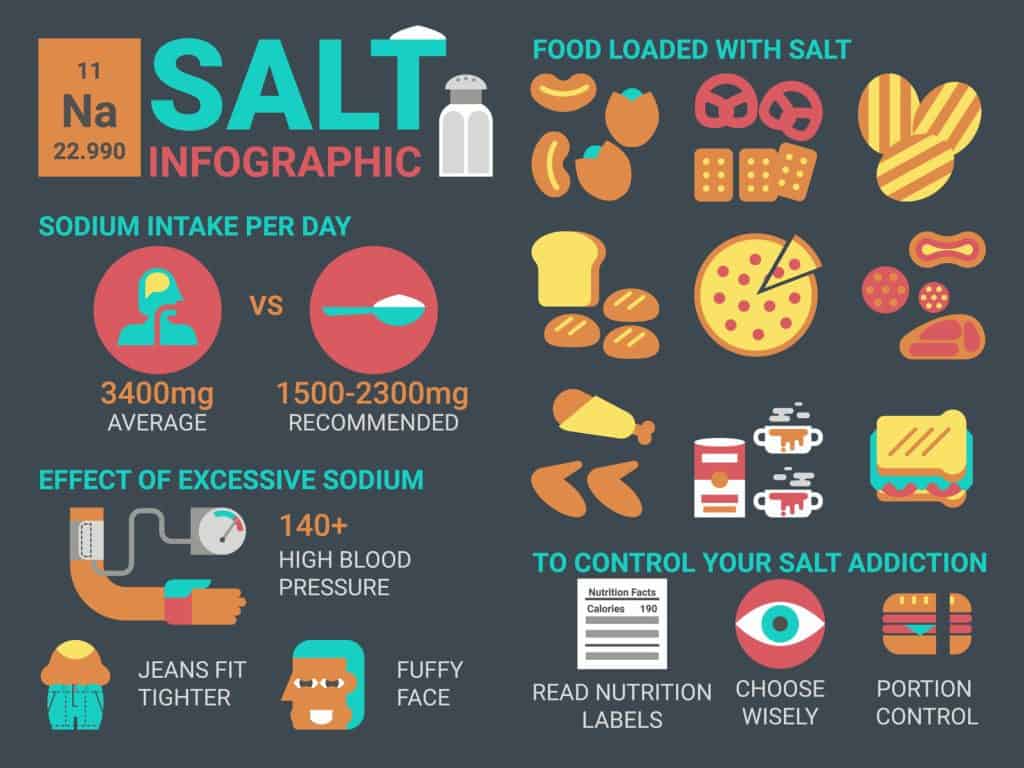
The problem is that most of us simply eat too much. The Recommended Daily Intake (RDI) of sodium varies from one source to the next, but falls between the ranges of about 1,500 to 2,400 milligrams (mg) – about 3 to 5 grams of table salt. For example, Canada’s governmental health agencies recommend a maximum of 1,600 mg, while the United States government recommends a maximum of 2,300 mg.
Here is the breakdown of the U.S. governmental health agencies and their recommended intake:
-United States Department of Agriculture (USDA): 2300 mg.
-American Heart Association (AHA): 1500 mg.
-Academy of Nutrition and Dietetics (AND): 1500 to 2300 mg.
-American Diabetes Association (ADA): 1500 to 2300 mg.
The interesting statistic is the recommended amount from the American Heart Association (AHA). Why’s that? Because excessive sodium intake directly results in a greater chance of heart disease, heart attack and other heart-related problems. Here’s what WebMD has to say:
People with heart failure may improve their symptoms by reducing the amount of salt (sodium) in their diet. Eating too much salt causes the body to retain too much water, worsening the fluid build-up associated with heart failure.
The majority of our sodium intake comes in the form of processed foods. For those that need a refresher, a processed food is one that has undergone a transformation from the raw form either to extend shelf-life – such as the freezing or dehydration of fruits and vegetables – or to improve consumer’s palatability of (taste for) raw commodities – such as transforming grain and animal products into bakery and meat products.
Americans’ average intake of sodium is around 3,400 mg – most of it coming from these same processed foods.
For comparative purposes, let’s look at the sodium content of fresh, raw food versus the processed variety.
For those that eat meat, processed meats contain roughly 400% more sodium than the natural product. Much of this is due to the curing, smoking, drying, canning and salting done to the original product. Processed meats have been directly linked to cancer by the World Health Organization.
Sodium (salt) is a necessary mineral for the human body to ingest. It effectively supplieselectrolytes and maintains the fluid levels within our cells. It is also essential to the healthy transmission of nerve impulses within the body. Further, sodium plays a key role in the digestion of food.
The problem is that most of us simply eat too much. The Recommended Daily Intake (RDI) of sodium varies from one source to the next, but falls between the ranges of about 1,500 to 2,400 milligrams (mg) – about 3 to 5 grams of table salt. For example, Canada’s governmental health agencies recommend a maximum of 1,600 mg, while the United States government recommends a maximum of 2,300 mg.
Here is the breakdown of the U.S. governmental health agencies and their recommended intake:
-United States Department of Agriculture (USDA): 2300 mg.
-American Heart Association (AHA): 1500 mg.
-Academy of Nutrition and Dietetics (AND): 1500 to 2300 mg.
-American Diabetes Association (ADA): 1500 to 2300 mg.
The interesting statistic is the recommended amount from the American Heart Association (AHA). Why’s that? Because excessive sodium intake directly results in a greater chance of heart disease, heart attack and other heart-related problems. Here’s what WebMD has to say:
People with heart failure may improve their symptoms by reducing the amount of salt (sodium) in their diet. Eating too much salt causes the body to retain too much water, worsening the fluid build-up associated with heart failure.
The majority of our sodium intake comes in the form of processed foods. For those that need a refresher, a processed food is one that has undergone a transformation from the raw form either to extend shelf-life – such as the freezing or dehydration of fruits and vegetables – or to improve consumer’s palatability of (taste for) raw commodities – such as transforming grain and animal products into bakery and meat products.
Americans’ average intake of sodium is around 3,400 mg – most of it coming from these same processed foods.
For comparative purposes, let’s look at the sodium content of fresh, raw food versus the processed variety.
For those that eat meat, processed meats contain roughly 400% more sodium than the natural product. Much of this is due to the curing, smoking, drying, canning and salting done to the original product. Processed meats have been directly linked to cancer by the World Health Organization.
sodium

LET’S TAKE A LOOK AT SOME EXAMPLES OF RAW, NATURAL VEGETABLES AND THEIR ASSOCIATED SODIUM CONTENT.

Asparagus (10 spears) / 10 mg
Avocado (1/2 medium) / 10 mg
Green beans (1 cup)   / 4 mg
Carrot, cooked (1/2 cup) / 52 mg
Corn, boiled (1/2 cup) / 14 mg
Mushrooms, chopped (1/2 cup) / 1-2 mg
Onion, chopped (1 cup) / 2-3 mg
Spinach, raw (1/2 cup) / 22 mg
Sweet potato (1 small) / 12 mg
Tomato (1 medium) / 11 mg

NOW, LET’S LOOK AT THE PROCESSED VARIETY AND ITS SODIUM CONTENT. (PLEASE NOTE: SOME SERVING SIZES HAD TO BE APPROXIMATED FOR COMPARATIVE PURPOSES.)

Asparagus, canned (1/5th can) / 142 mg
Green Beans, canned (1 cup) / 800 mg
Carrots, canned (1/2 cup) / 295 mg
Corn, canned (1/2 cup) / 351 mg
Mushrooms, canned (1/2 cup) / 331.5 mg
Onion, canned (1 cup) / 117 mg
Spinach, canned (1/2 cup) / 29 mg
Sweet potato (1 cup) / 191 mg
Tomato (1 cup ) / 307 mg
Obviously, the processing of vegetables dramatically increases the product’s salt content. This goes for other products that are canned or packaged, as well. A simple search will reveal this fact. Now, let’s discuss the dangers of ingesting too much salt.

HERE ARE 5 SIGNS YOU MAY BE CONSUMING TOO MUCH SODIUM:

1. INFLAMMATION AND WEIGHT GAIN

Sodium is predominantly concentrated on the outside of our cells. When the amount of sodium available in these areas is excessive, this causes the kidneys to reduce the amount of water released into the urine. The result is increased water retention and edema (or swelling) in various parts of the body. Further, although sodium does not directly correlate with fat gain, it does increase water weight that will show up on the scale.

2. KIDNEY STONES

Excessive sodium, often from salt, results in the kidneys having to excrete more calcium into the urine. A high concentration of calcium will often combine with other minerals – such as oxalate and phosphorous – which will then harden and form “stones.” Since sodium intake is excessive is most people’s diets – combined with the importance of calcium, something most people don’t get enough of – it is recommended that we reduce the amount of sodium ingested by altering our diets. Further, calcium is an absolute necessity to healthy bones (more on this in a bit).

3. CARDIOVASCULAR DISEASE

Research presented at a 2010 American Heart Association meeting revealed the following statistics:
– Excessive salt consumption led to 2.3 million heart-related deaths worldwide.
– 42% of deaths were a result of coronary heart disease.
– 41% of deaths were the result of stroke.
The World Health Organization – the world’s preeminent association on public health – has directly linked excessive sodium intake and cancer. The evidence is quite clear: too much salt is bad for our hearts and can lead to multiple types of cancer.

4. COGNITIVE DECLINE

A Canadian study undertaken in 2011 suggests that adults who consume a high-sodium diet are at a greater risk of cognitive (brain) decline. According to the researchers, this result was “independent of hypertension and global diet quality” and “suggests that sodium intake alone may affect cognitive function in sedentary adults above and beyond the effects of overall diet.” While the brain’s performance on a high-sodium diet is yet to be fully discovered, these preliminary research studies do warrant some caution. Further, exercise is known to effectively counteract these effects.

5. DECREASED BONE HEALTH

Our bones require foods with high concentrations of calcium to be healthy. Eating foods that have high levels of sodium directly causes the bones to lose calcium density, which can lead to bone loss. The National Osteoporosis Foundation (NOF) recommends limiting the amount of processed foods, canned foods and salt added to foods eaten each day. The NOF recommends inspecting the Nutrition Facts label on each food; if the sodium content is over 20% daily value, it is high in sodium and should be avoided. The NOF further recommends limiting sodium intake to less than 2,400 mg per day.
Complete elimination of processed food of any kind is very difficult; even many of the products that we see in the “fruit and vegetables” section of our neighborhood grocer can be classified as “processed”. However, it is feasible to make fresh fruits and vegetables more of a presence on our dinner plates. It’s also within our control to reduce our trips to fast food places while frequenting the grocery aisles of natural grocers more often.
Bottom line: some simple changes in our diets can drastically reduce the amount of sodium that we take in each day. In doing so, we’re creating and maintaining a healthier body and feeling much better about ourselves in the process. And if you still eat a high amount of salt, we recommend real salt.

Tuesday, December 15, 2015

Vitamins for You

Vital vitamins

  • By Jo Lewin - Associate nutritionist - Don't turn to a pot of pills for a health boost - nutritionist Jo Lewin divulges what different vitamins do and how to get all you need naturally.

    Vitamin ACarrots

    Vitamin A is essential for growth and cell development, vision and immune function, healthy skin and hair. It protects against infections and is a powerful antioxidant, so helps prevent disease.
    How can I get it?
    Two or three raw carrots would provide you with your recommended daily allowance (RDA). Other good sources include, animal products such as liver, oily fish, eggs, milk, cheese, butter, broccoli, dark green leafy vegetables, sweet red peppers, pumpkins, mangoes, cantaloupe melons and apricots.

    sunshineVitamin D

    Known as the sunshine vitamin, vitamin D is essential for healthy bones and is thought to possibly slow the progression of osteoporosis. It is also believed to strengthen the immune system and help prevent some cancers. It helps muscle function and works with vitamins A and C in the immune system.
    How can I get it?
    Vitamin D is manufactured mainly by the skin when it's exposed to sunlight. You should be able to get your recommended amounts by spending 15-30 minutes outside in the sun each day. Half a small can of sardines should also supply the RDA. Other good sources include herrings, salmon, tuna, dairy produce and eggs.


    Vitamin EBaked eggs with spinach & tomato

    Vitamin E is an antioxidant needed for healthy skin, a good strong immune system and a healthy heart.
    How can I get it?
    A small packet of almonds or peanuts and two teaspoons of sunflower oil would provide the RDA. It is found in all vegetable oils such as sunflower and nut oils, margarine, tuna, salmon, avocadoes, broccoli, almonds, sunflower seeds, eggs, soya and wholegrains, which include oats, rye and brown rice.

    YogurtVitamin K

    Vitamin K is great for building and maintaining healthy, strong bones and essential for helping blood to clot properly.
    How can I get it?
    Vitamin K can be found in yogurt, egg yolks, fish oils, dairy produce and green leafy vegetables.


    Vitamin B1Quinoa

    Also known as thiamine, vitamin B1 is needed for energy production, carbohydrate digestion, a healthy nervous system and heart function.
    How can I get it?
    It is found in wholegrain foods such as cereals and bread, oats, rye millet, quinoa, legumes, pork and liver.

    The health benefits of nutsVitamin B3

    Also called niacin, vitamin B3 is good for hormone synthesis, such as insulin the hormone that regulates blood sugar levels in the body and also for thyroxine, serotonin and other mood and brain hormones. It is used in the prevention and treatment of depression, arthritis and circulatory disorders.
    How can I get it?
    Vitamin B3 is found in foods that are high in protein, such as chicken, beef, fish and nuts. Breads and cereals are often also enriched with niacin.


    Vitamin B5Ingredient focus... spinach

    Vitamin B5, or pantothenic acid, is needed for conversion of fats and carbohydrates into energy and also for supporting the adrenal glands, which regulate the stress response in the body.
    How can I get it?
    The best sources of B5 are fish, poultry, wholegrains, rye, barley, millet, nuts, chicken, egg yolks, liver and green leafy vegetables.


    BananasVitamin B6

    Vitamin B6 is the 'workhouse' of nutrients, involved in more bodily processes than any other vitamin. It functions primarily as a coenzyme, forming red blood cells, helping cells to make proteins, manufacturing neurotransmitters in the brain and releasing energy. There is also evidence to suggest that it plays a role in preventing and treating many diseases.
    How can I get it?
    One serving of fortified breakfast cereal with a banana and one large salmon steak would provide the RDA. The main sources include poultry, lean red meat, egg yolks, chickpeas, oily fish, dairy produce, cabbage, leeks, bananas and wheat germ.

    Folic acidRoasted sprouts with chestnuts & bacon

    Folic acid, or vitamin B9, is most famous for its role in helping to prevent neural defects during pregnancy but it is also good for the immune system, energy production and in preventing anaemia.
    How can I get it?
    Your RDA of folic acid is 400mcg (micrograms). A serving of Brussels sprouts or fortified breakfast cereal each supply 100mcg of folates. A glass of fresh orange juice provides 40mcg and a slice of wholemeal bread provides 15mcg. Other good sources include dark green leafy vegetables such as kale, spinach, asparagus, broccoli, sprouts, egg yolks, carrots, apricots, oranges, pumpkins and squashes, melons, wholewheat and rye.


    MilkVitamin B12

    Vitamin B12 is needed for growth, the digestive and nervous system, as well as the production of energy and healthy blood cells. After the age of 50, the ability to absorb vitamin B12 from food declines.
    How can I get it?
    A large glass of milk, an egg or a serving of fortified breakfast cereal will supply the RDA. Animal products are the primary source of B12, these include red meat such as beef, liver and pork, shellfish and other fish, eggs and dairy produce. Vegetarians can also consider seaweed and spirulina.

    Vitamin CPeach

    Vitamin C is required for a strong immune system, a healthy heart, good skin and gums, and helping to preventing diseases like heart disease and cancer and helping wounds to heal properly.
    How can I get it?
    A small orange, a large peach or a single kiwi fruit provides the RDA. Other good sources are berries, pomegranates, citrus fruits, potatoes, pumpkins, sweet peppers, green leafy vegetables, cabbage, broccoli, cauliflower and spinach.

    Zingy salmon & brown rice salad Biotin

    Also known as vitamin H, biotin is needed for healthy hair, nails, skin and energy production.
    How can I get it?
    It's found in Brewer's yeast, liver, soy products, brown rice, nuts, egg yolks and fruit.


    How your body absorbs and stores vitamins:
    Vitamins are absorbed and stored by your body in two different ways, and are either fat soluble or water soluble.
    Fat soluble vitamins include vitamins A, D, E and K. These are absorbed with fat through the intestine and into the blood stream and are stored in the liver.
    Water soluble vitamins include Vitamins C, B1, B2, B3, B5, B6, B12, Biotin and folate. These vitamins only remain in the body for a short time before being excreted by the kidneys (apart from B12), so you need to keep up your intake.

Thursday, December 10, 2015

Ways to Ease Menopause

Eat to ease the menopause

  • By Jo Lewin - Associate nutritionist
What is the menopause and how can you eat to ease some of the unwelcome symptoms associated with it? Nutritionist Jo Lewin has some practical advice...
Woman eating apple
About the menopause
Most women dread the word menopause. In reality it affects women in completely different ways, but the most common symptoms include hot flushes, sweating, insomnia, anxiety, impairment of memory and fatigue. Long term consequences can include a decline in libido, osteoporosis, heart disease, even dementia – all linked to reduced oestrogen levels.
Typically, a woman’s ovaries stop releasing eggs in her early 50s, and the menstrual cycle stops. Some women can sail through with only the odd hot flush, but others can struggle with symptoms such as weight gain and fluctuating emotions. The physiological reason why the body starts changing is largely down to the drop in oestrogen production and the effect this has on other hormones.
As the ovaries stop manufacturing the hormones oestrogen and progesterone, symptoms may begin. For example, oestrogen helps lift our mood so, when levels drop, we may feel depressed.  Some women opt for hormone replacement therapy (HRT); others try natural remedies. Whether or not you decide to take HRT, following the guidelines below won't hurt and will assist in the pursuit of an all-round healthy lifestyle.
It has been noted that eating, and avoiding, certain types of foods can make the menopause a lot more bearable. Here are common problems those going through the menopause may face and some foods to watch out for...
Dietary solutions...

Sun blush cocktailsHot flushes

Stop eating foods that are likely to trigger or worsen hot flushes and night sweats. For instance, avoid stimulants such as coffee, alcohol and chocolate and spicy foods, especially at night - they're notorious for setting off hot flushes.


Tiredness

Avoid snacking on sugary foods – all too often a sharp rise in your blood glucose level may be followed by a sharp dip which leaves you feeling tired and drained. Choose fresh fruit with a few nuts instead.

Weight gainWeight gain

Many people associate the menopause with weight gain but, as we get older, we need fewer calories. Eating a bit less sounds a simplistic solution but it will help. Watch the amount of fat in your diet and cut back on sugar. Eat complex carbohydrates, such as brown grains, wholemeal pasta, bread and rice, as they will help balance blood sugar levels and keep you feeling fuller for longer.

Almond butterDry skin

Legumes, nuts and seeds such as pumpkin, sunflower, almonds contain vitamin E, zinc and calcium. These nutrients and the oils in nuts and seeds may help prevent dry skin and normalise hormone levels.

Depression and irritability

Ensure you eat enough protein foods which contain the amino acid tryptophan. You can find it in turkey,cottage cheese, oats and legumes. Tryptophan helps manufacture the neurotransmitter serotonin. Serotonin helps moods and may help control sleep and appetite which can make you feel better in yourself. Other useful strategies to help you feel less irritable are to eat breakfast and not miss meals to balance your blood sugar.

PearsBone health

Women going through the menopause should increase their intake of food sources of calcium, magnesium and vitamins D and K to maintain integrity of the skeleton. In addition, high amounts of phosphorous – found in red meat, processed foods and fizzy drinks – should also be avoided. Too much phosphorous in the diet accelerates the loss of minerals such as calcium and magnesium from bone. Reducing sodium, caffeine and protein from animal products can also help the body maintain calcium stores.
Opt for more alkaline foods - vegetables, fruits, seeds, nuts and yogurt - to help prevent calcium reserves being leached from bones. Eat foods high in magnesium and boron. These are minerals which are important for the replacement of bone and thus help to reduce the risk of osteoporosis. Applespearsgrapesdates,raisins, legumes and nuts are good sources of boron. As well as considering a calcium supplement, other vitamins and minerals that are vital for bone health are: magnesium, vitamin E, vitamin D and zinc. Choose a supplement with a combination of these and they will be in the right proportion for maximum effect. Weight-bearing exercise is vital too.

Miso soupEat more phyto-oestrogens

Phyto or plant oestrogens found in certain foods are oestrogenic compounds that bind with oestrogen receptor sites in the body cells, increasing the total oestrogenic effect. By acting in a similar way to oestrogen, they may help in keeping hormones a little more in balance.  A high intake of phytoestrogens is thought to explain why hot flushes and other menopausal symptoms rarely occur in populations consuming a predominantly plant-based diet. Increase your intake of phyto-oestrogens by eating more: soya milk and soya flour, linseeds, tofu, tempeh and miso, pumpkins seeds, sesame seeds, sunflower seeds, celery, rhubarb and green beans.