Showing posts with label eat well. Show all posts

Wednesday, January 6, 2016

Lemon and Its Benefits

25 Benefits of Lemon You Didn’t Know About
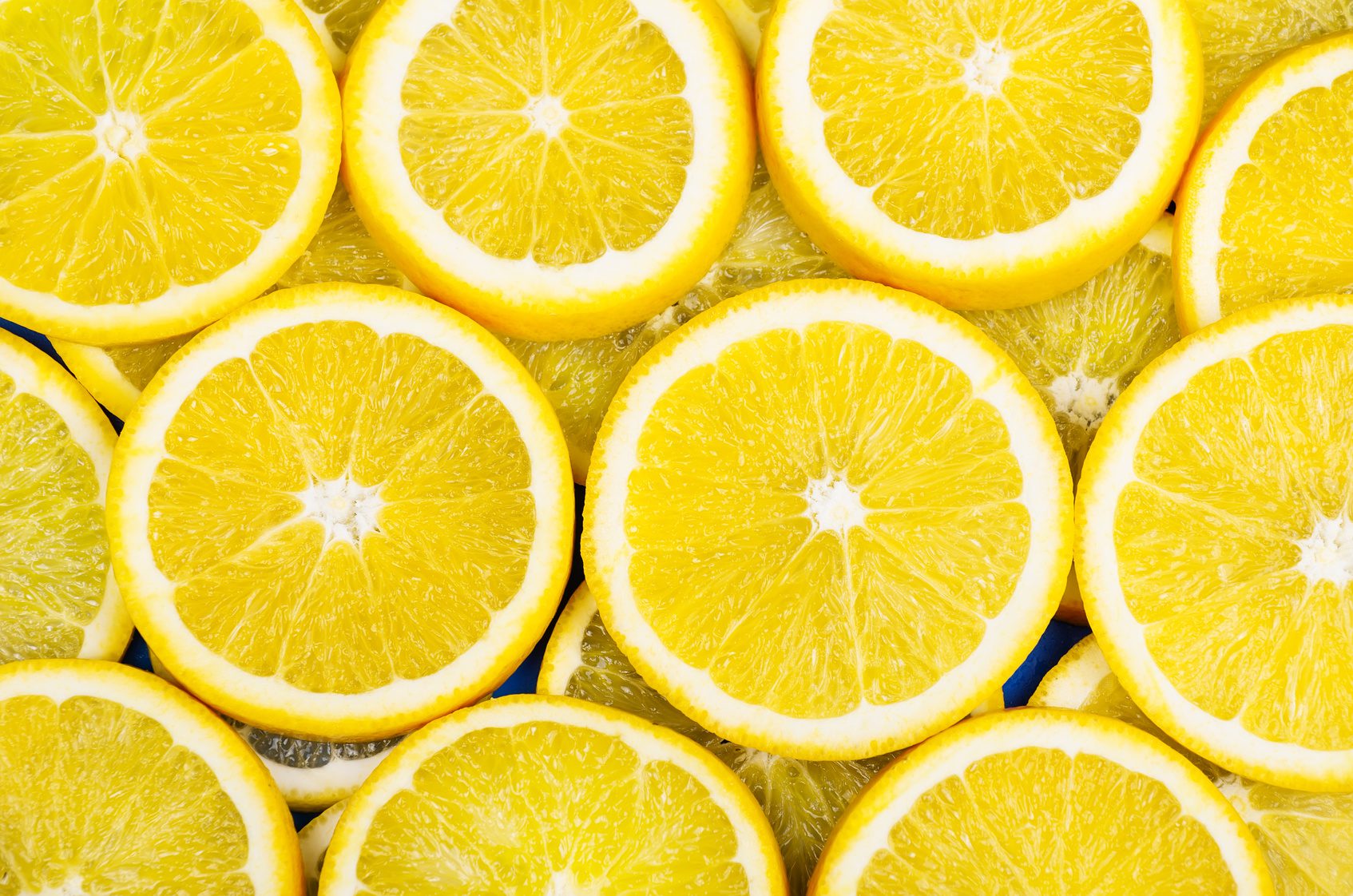

Ancient civilizations believed that lemon has the power to ward of poisons and some recent research has supported this view. Specifically, a study done at University California Davis found the biological activity of citrus, specifically bioflavonoids were effective in anti-cancer activity in the body.
Lemon has strong antibacterial and antiviral properties and provides a significant boost to the immune system. It is effective in fighting infection thanks to its levels of vitamin C, bioflavonoids, citric acid, calcium, magnesium, pectin, and limonene.
Most people have heard that starting your day with warm lemon water is a natural energizer that hydrates and oxygenates the body while balancing our pH levels.

HERE ARE 25 OTHER BENEFITS OF LEMONS THAT YOU DIDN’T KNOW ABOUT.

1. Lemon helps break a fever.
Lemon juice increases perspiration which in turn can help force a fever to break.
2. Lemons help improve our mood.
The refreshing smell of lemons can help lessen symptoms of depression while increasing energy levels.
3. Lemons help us breathe better.
Lemons can aid asthma sufferers by thinning mucus and clearing the airways.
4. Lemon helps relieve the symptoms of arthritis.
Lemon flushes out toxins and bacteria thanks to its diuretic properties. The reduction in toxins helps to reduce inflammation in the joints.
5. Lemons help prevent kidney stones.
Lemons are responsible for stimulating the production of the chemical compound, urinary citrate, a key compound in the prevention of kidney stones.
6. Lemons are effective as a topical disinfectant.
Use the juice from lemons on scrapes and cuts to disinfect the area.
7. Lemon preserves clothing.
Lemon juice, along with salt, can help remove mold and stains from clothing.
8. Lemons can treat acne and problem skin.
Lemons are a natural cleansing agent for the skin thanks to their antibacterial and antifungal properties.
9. Lemon lightens age spots.
The citric acid in lemons helps to even skin tone and fade dark spots.
10. Lemons help oily skin.
Lemons can cut through oil while helping to curb excess oil production in the skin.
11. Lemon will strengthen your nails.
Some lemon juice mixed with olive oil will strengthen and whiten weak and brittle nails.
12. Lemons are a natural insect repellant.
Wipe baseboards with a mixture of lemon juice and some water to keep ants, flies and cockroaches at bay.
13. Lemons help with the signs of aging.
The bioflavonoids in lemons are responsible for the reduction of free radicals which can cause skin damage and premature aging.
14. Lemons help relieve headaches.
A mixture of green tea and lemon can be as effective as aspirin in relieving headaches.
15. Lemons are good for oral health.
Lemons can help with infected and bleeding gums and can reduce tooth pain.
16. Lemons fight against bad breath.
The citric acid in a lemon helps to balance our body’s pH which will aid in destroying the bacteria in the mouth.
17. Lemons whiten teeth.
Mix some lemon juice with baking soda for a natural teeth whitener.
18. Lemons naturally exfoliate.
Rubbing a lemon directly on chapped and dry skin will aid in the removal of dead skin.
19. Lemons can detoxify the blood.
Our blood accumulates toxins and regular consumption of lemon acts as a detoxifying and purification agent for our blood.
20. Lemons can help ward off or heal infections.
Lemons are in antibacterial properties which can help heal and even prevent infection.
21. Lemons can provide natural highlights.
Add a little lemon juice to your hair conditioner and sit in the sun for awhile. After rinsing your hair, you will notice your natural highlights beginning to appear.
22. Lemons help prevent dandruff.
Massage a little lemon juice and warm olive oil into your scalp to relieve itchiness and dryness.
23. Lemons cleanse the body.
Mix lemon juice with a little milk or yogurt and massage over your skin. It will cleanse, exfoliate and soften in one step.
24. Lemons can improve your digestive system.
Warm water with lemon can help prevent constipation and improve your overall digestive system.
25. Lemons are an effective cleanser.
Lemon juice mixed with water can act as a cleaning and disinfectant for your counters and can help remove pesticides from your fruits and vegetables.
The benefits of lemon are far-reaching because they are effective both in healing and prevention. There is even promising research that says lemon can aid in weight loss.

HOW MUCH LEMON IS ENOUGH?

It is recommended to ingest at least ½ of a lemon daily. The most simple way to start is by adding some lemon to your water.
A few words of caution. Lemon can be hard on the enamel of your teeth. So if when drinking lemon water or eating a lemon, rinse with plain water to remove the acid from your teeth. Also, if applying to the skin, they can make the skin more sensitive to the sun so make sure and wear sunscreen.

Friday, January 1, 2016

Dieting

How to diet

Low carb, the 5:2 diet, detox, cabbage soup ... there is no shortage of novelty diet programmes promising to help you lose weight fast.
The big question is, do they work? Most do lead to fast – sometimes dramatic – weight loss, but only for the pounds to creep back on again at the end of the diet.
More worryingly, many fad diets are based on dodgy science or no research at all, prescribing eating practices that are unhealthy and can make you ill.
In 2011, the British Dietetic Association warned against following popular diets such as the Dukan diet, which it said was complicated, not based on scientific evidence and reportedly did not lead to long-term weight loss.

Five reasons to avoid fad diets

Many weight loss diets promise to help you lose weight quickly. Often these diets only focus on short-term results, so you eventually end up putting the weight back on.
Here are five reasons why following the latest novelty diet may not be a good way to lose weight.

1. Some diets can make you ill

Many diets, especially crash diets, are geared to dramatically reducing the number of calories you consume. "Crash diets make you feel very unwell and unable to function properly," says dietitian Ursula Arens. "Because they are nutritionally unbalanced, crash diets can lead to long-term poor health."

2. Excluding foods is dangerous

Some diets recommend cutting out certain foods, such as meat, fish, wheat or dairy products. Cutting out certain food groups altogether could prevent you getting the important nutrients and vitamins your body needs to function properly.

3. Low-carb diets can be high in fat

Some diets, such as the Atkins diet, are very low in carbohydrates (for example, pasta, bread and rice), which are an important source of energy. While you may lose weight on these types of diets, they're often high in protein and fat, which can make you ill. Low-carbohydrate diets can also cause side effects such as bad breath, headaches and constipation.
"It has been suggested that the high protein content of these diets 'dampens' the appetite and feelings of hunger," says Arens. Many low-carbohydrate diets allow you to eat foods high in saturated fat, such as butter, cheese and meat. Too much saturated fat can raise your cholesterol and increase your risk of heart disease and stroke.

4. Detox diets don't work

Detox diets are based on the idea that toxins build up in the body and can be removed by eating, or not eating, certain things. However, there's no evidence that toxins build up in our bodies. If they did, we would feel very ill.
Detox diets may lead to weight loss because they involve restricting calories, cutting out certain foods altogether, such as wheat or dairy, and eating a very limited range of foods. "Detox diets do not work," says Arens. "They are, in effect, a form of modified fasting."

5. Cabbage soup, blood group, the 5:2 diet and other fad diets are often far-fetched

Some fad diets are based on eating a single food or meal, such as cabbage soup or raw foods. Others make far-fetched claims, such as encouraging people to cut out certain foods from their diet based on their blood type.
Intermittent fasting, which includes the increasingly popular 5:2 diet, is a pattern of eating where you eat normally five days a week and fast on the other two days. Fans of the 5:2 diet say it can help you live longer and protect you against disease.
Often there is little or no evidence to back up these claims, and it can be difficult to keep to in the long term. "If followed over long periods, these diets can be very unbalanced and bad for your health," says 
Arens. "You may lose weight in the short term, but it's much better to lose weight gradually and to be healthy."

How to lose weight the healthy way

We put on weight when the amount of calories we eat exceeds the amount of calories we burn through normal everyday activities and exercise. Most adults need to eat less and get more active.
The only way to lose weight healthily and keep it off is to make permanent changes to the way you eat and exercise. A few small alterations, such as eating less and choosing drinks that are lower in fat, sugar and alcohol, can help you lose weight.
If you're overweight, aim to lose about 5-10% of your starting weight by losing 0.5-1kg (1-2lb) a week. You should be able to lose this amount if you eat about 500 to 600 fewer calories than you need a day. An average man needs about 2,500 calories a day and an average woman about 2,000 calories to stay the same weight.

Six ways to kickstart your healthy weight loss plan

Here are six simple things you can do to eat healthily and help you lose weight. 
  • To reduce the amount of fat you eat, you could trim the fat off meat, drink skimmed or semi-skimmed milk instead of full fat, choose a reduced- or low-fat spread, and replace cream with low-fat yoghurt.
  • Eat wholegrain foods, such as wholemeal bread, brown rice and pasta. They're digested more slowly than the white varieties, so will help you feel full for longer.
  • Don't skip breakfast. A healthy breakfast will give you the energy you need to start the day, and there's some evidence that people who eat breakfast regularly are less likely to be overweight.
  • Aim to eat at least five portions of a variety of fruit and vegetables a day. 
  • If you feel like a snack, try having a drink first, such as a glass of water or cup of tea. Often we think we're hungry when really we're thirsty.
  • Swap drinks high in calories for lower calorie alternatives – that means drinks that are lower in fat, sugars and alcohol. Swap a sugary fizzy drink for sparkling water with a slice of lemon. Don't 
  • forget that alcohol is high in calories, so cutting down on alcohol can help you control your weight.
  • Exercise and weight loss

    Regular physical activity will not only help you lose weight, but could also reduce your risk of developing a serious illness. 
    The amount of physical activity that is recommended depends on your age. Adults aged 19 to 64 who are new to activity should aim to build up to 150 minutes of moderate-intensity aerobic activity a week.

Monday, December 21, 2015

Balanced Diet for Women

A balanced diet for women

  • By Kerry Torrens - Nutritional therapist  - When are the best times to eat carbs, protein and fat, what should your portion size be and what are your guideline daily amounts? Choose wisely and you can eat healthily around the clock..
    A balanced diet for women
    Women have different daily nutritional requirements to men, and below our nutritionist has offered guidance and recipe ideas for women seeking a balanced diet for good health - but what exactly is meant by a 'balanced diet'? There are some simple rules to follow like getting your five-a-day, including three servings of whole-grains and choosing more fish, poultry and less red meat while opting for low-fat dairy foods. But that's not the whole story - how much should you be eating and when is the best time to eat protein, carbs or fats? Read on for our guide to healthy eating around the clock.
     

    Reference Intake (RI) – the new term for Guideline Daily Amounts (GDAs)

    Nutritional needs vary depending on your sex, size, age and activity levels so use this chart as a general guide only. The chart shows the daily amounts recommended for a healthy, balanced diet for maintaining rather than losing or gaining weight. Typically women need less nutrients than men with the exception of salt and fiber.
     
    Guideline daily amounts
     
     MenWomen
    Energy (kcal)25002000
    Protein (g)5545
    Carbohydrates (g)300230
    Sugar (g)12090
    Fat (g)9570
    Saturates (g)3020
    Fiber (g)2424
    Salt (g)66


    Perfect Portionsportion sizes

    Numbers and figures are all very well but how does this relate to you? Personalize your portions with our handy guide to finding the right serving size:

    Your portion size
     
    FoodsPortion size
    Carbs like cereal/rice/pasta/potatoYour clenched fist                              
    Proteins like meat/poultry/fishPalm of your hand
    Savouries like popcorn/crisps2 of your cupped hands
    Bakes like brownies/flapjacks2 of your fingers
    Butter & spreadsThe tip of your thumb


    Full English frittata with smoky beansBreakfast

    Kick start your metabolism by including protein at breakfast, choose from eggs, salmon, lean ham or low-fat dairy. We burn more calories digesting protein rather than carbs so, by making your breakfast a protein one, you'll be revving up your metabolism and because protein foods keep you fuller for longer, you'll eat fewer calories the rest of the day.
    A protein breakfast needn't take any longer to prepare - top your morning toast with a scrambled egg, a slice of smoked salmon or some lean ham and when you do have a little more time enjoy an omelette or frittata.
    Whatever you do don't skip breakfast as this sets your blood sugar off on a roller coaster, which means you'll end up choosing the wrong foods later in the day. Remember breakfast makes an important contribution towards your daily intake and it plays a key role in maintaining a healthy weight.

    Mid-morning snack

    Eating little and often is the ideal way to manage your blood sugar levels - this doesn't mean you'll be eating more but spreading your day's intake evenly throughout the day. Make every snack count with nourishing options that supply both the 'pick me up' you need while topping up your five-a-day.
    Swap your morning biscuits for oatcakes spread with peanut or almond nut butter and a banana or have a tasty dip with veggie sticks.


    LunchOpen cottage cheese & pepper sandwich

    Make lunch a mix of lean protein and starchy carbs. Carb-rich foods supply energy and without them you'll suffer that classic mid-afternoon slump. The key is to choose carbs that produce a steady rise in blood sugar, which means passing on the sugary 'white' foods and going for high fiber whole-grains which help you manage those afternoon munchies.
    Opt for an open rye-bread sandwich topped with salmon, chicken or low-fat dairy as well as plenty of salad or choose whole-grain toast topped with baked beans.

    Mid-afternoon

    Satisfy that sweet craving and the need for energy with fruit. A handful of dried fruit combined with unsalted nuts or seeds, provides protein and healthy fats to keep you satisfied till supper.
    Swap your chocolate or cereal bar for a handful of dried apple rings with a few almonds or walnuts. Dried fruit is four times as sweet as its fresh equivalent - which is great if you've got an exercise class or a gym session planned for the afternoon. Combining dried fruit with nuts helps stabilize the release of their sugars keeping you energized for longer. Alternatively stock your fridge with plenty of low calorie nibbles like cherry tomatoes, grapes and vegetable crudités, which will prevent you reaching for the biscuit tin when you fancy something sweet or crunchy.

    DinnerMexican chicken stew with quinoa & beans

    Don't curfew carbs - they're low in fat, fiber-rich and help you relax in the evening. Combine them with some healthy essential fats the ones you find in oily fish like salmon, mackerel and sardines as well as nuts, seeds and their oils. Your body can use these healthy fats overnight for regeneration and repair, which is important for maintaining healthy skin and hair.
    Fill half your plate with a colorful variety of vegetables or salad, drizzle with a dressing made from flaxseed or rapeseed oil and add meat, fish or beans with brown rice, quinoa or wholemeal pasta.

Wednesday, December 16, 2015

Get More Iron Into Your Diet

Pump up the iron

If you're eating less meat these days, keeping your iron levels up may seem like a challenge. Nutritional therapist Kerry Torrens explains how to get the most from your food to boost iron.

Five-veg lasagne
We all need iron in our diet for our bodies to make healthy red blood cells, and to sustain our energy levels. If you're a vegetarian or reducing the amount of meat you eat, there are still a lot of options. Surveys suggest that those most at risk of low levels are young women, because menstrual periods have a major influence on iron status, and children who have a greater requirement for growth and development.
 

Are you getting enough iron?

If you're low in iron you're likely to be suffering from tiredness, have a pale complexion, feel cold and experience problems concentrating - which can be a particular issue for children of school age. You're also more likely to pick up colds and infections because iron is needed for a healthy immune system.
 

Warm Puy lentil saladWhat should I eat if I'm vegetarian?

Although red meat, poultry and fish provide an easy-to-absorb form of iron called haem, plant sources can make just as valuable a contribution. These include beans, peas and lentils, dark green leafy vegetables, such as kale and watercress, whole-grains like brown rice, pasta and wholemeal bread, as well as nuts and seeds. In fact, by choosing whole-grain staples like bread, pasta and rice you'll be picking foods which are richer in iron than their white equivalents. There are also some surprising sources including dried fruits, like apricots, prunes and raisins, as well as black treacle and even plain dark chocolate.
 

How to get the most from your food

Making some crafty combinations can help you get the most out of these iron-rich foods. For example, vitamin C helps you absorb iron, because it converts it into a more soluble form. Simply adding a handful of strawberries to a bowl of fortified breakfast cereal or enjoying a glass of orange juice alongside your cereal can increase iron uptake considerably. 
 

OrangeWhat to avoid...

Just as some foods promote your absorption of iron, others can hinder it. Tea, for example, contains tannins that bind to iron, so it's best to enjoy your cuppa away from your main meal, or at least wait an hour after you've eaten. Other foods, including whole-grains as well as legumes, contain compounds called phytates, which can affect how well you absorb the iron they contain - once again, vitamin C can be helpful because it binds with phytates reducing their inhibitory effects. Similarly, beta-carotene, the precursor to vitamin A, which is found in plentiful supply in orange and yellow fruits and vegetables, helps reduce the effects of phytates making iron more accessible. You can also minimize the phytates in grains, seeds and pulses by cooking and even sprouting.
 

A note on oxalic acid...

Thanks to a certain cartoon character most of us are familiar with the iron-rich qualities of spinach , although we're often told that a compound called oxalic acid found in the leaves, as well as other greens like chard, limits our ability to absorb its iron. The good news is that Popeye may well have been right. Recent studies have thrown doubt over the negative impact of oxalic acid on iron absorption. So, go ahead and follow Popeye's lead - enjoy a serving of spinach but maximize its benefits by combining with vitamin C-rich foods, like citrus fruits.

Are Your 'Sunshine Vitamin' levels Low?

Am I getting enough Vitamin D?

  • By Emer Delaney - Dietitian - Are your ‘sunshine vitamin’ levels low? Discover why you need vitamin D, how to get more and what to do if you're concerned about your levels...
    Am I getting enough Vitamin D?

    Why do we need Vitamin D?

    Vitamin D is made in our skin via direct exposure to sunlight. Our liver and kidneys then convert it into a form we can use. Vitamin D is extremely important for strong bones and teeth, as it helps us absorb the calcium we eat and it also controls the amount of calcium in our blood.  It’s really important that our vitamin D levels aren’t low or our body won’t absorb the calcium we eat.  
    There aren't any visual signs of vitamin D deficiency. If our levels are very low and we are severely deficient, we are at risk of developing weaker bones which is a condition known as osteomalacia. Severe deficiency in children may result in soft skull or leg bones and their legs may look curved or bow-legged, which is a condition called rickets.  

    Vitamin D levels explained
    Vitamin D blood rangesClassification
    Under 25nmol/LDeficient
    25 - 50nmol/LInsufficient
    50-75nmol/LSufficient
    Over 75nmol/LOptimal

    How much sun do we need? 

    During the summer months, approximately 20-30 minutes of direct sunlight two to three times a week should be enough for a fair skinned person to make the vitamin D they need.  For the elderly and darker skinned people, exposure time or frequency needs to be increased two to tenfold to get the same level of vitamin D synthesis as fair skinned individuals. 
    A word of caution though, too much sun exposure can be damaging due to the risk of developing skin cancer. Only spend a small amount of time in the sun without sunscreen either early in the morning or late in the afternoon and the rest of the time be sure to cover up and avoid any chance of sunburn. 

    Amount of sun required to compensate for 49 days of no exposure
    Skin typeMinutes of July sun required
    Fair10 - 12 mins
    Asian30 mins
    African/ Afro-Caribbean120 mins

    What affects our Vitamin D levels?

    Several different factors can affect our vitamin D levels such as skin pigmentation, age, season, clothing and use of high factor sunscreens. As elderly people have thinner skin they are unable to make as much of the vitamin as younger people. Also, the position of the UK means that 90% of it lies above the latitude that permits exposure to the sun rays necessary for vitamin D synthesis. The southern part of the country is marginally better positioned for vitamin D synthesis (the closer you are to the equator the better). All of these factors will have an effect on our levels.
    Approximately 60–70% of the UK adult population have insufficient levels of vitamin D in winter and spring and 16% are considered deficient. At the moment, there are no recommendations for daily intake. Whilst UK recommendations have not been set for the general population, some groups are at higher risk for developing deficiencies.  These include:
    • Pregnant and breastfeeding women
    • People who have darker skin, such as those of South Asian, African or Afro-Caribbean descent
    • Men and women who are over 65 years of age
    • Babies and children aged six months to five years 
    • Adults who stay out of the sun or cover up when outside 

     Vitamin D in our diet

    Sardines with chickpeas, lemon & parsleyFoods that naturally contain vitamin D include oily fish such as mackerelsardinestinned salmonherring and kippers.  Some foods are fortified with small amounts of vitamin D, including breakfast cereals, infant formula and margarine. There are smaller amounts found in eggs and some red meats, such as duckgoosepheasant and venison however, the exact amount is unknown. Breast milk also contains vitamin D and mums should make sure they aren’t deficient as this will affect the levels in their milk.  

    Vitamin D-rich foods
    Food per portionVitamin D content
    Kipper (140g)35µg
    Herring (140g)31.5µg
    Mackerel (140g)24.5µg
    Tinned salmon (140g)17.5µg
    Sardines (140g)10.5µg
    Duck eggs (2)3.75µg
    Hen eggs (2)2.5µg